Treatment stacking: why three measured interventions outperform one large one
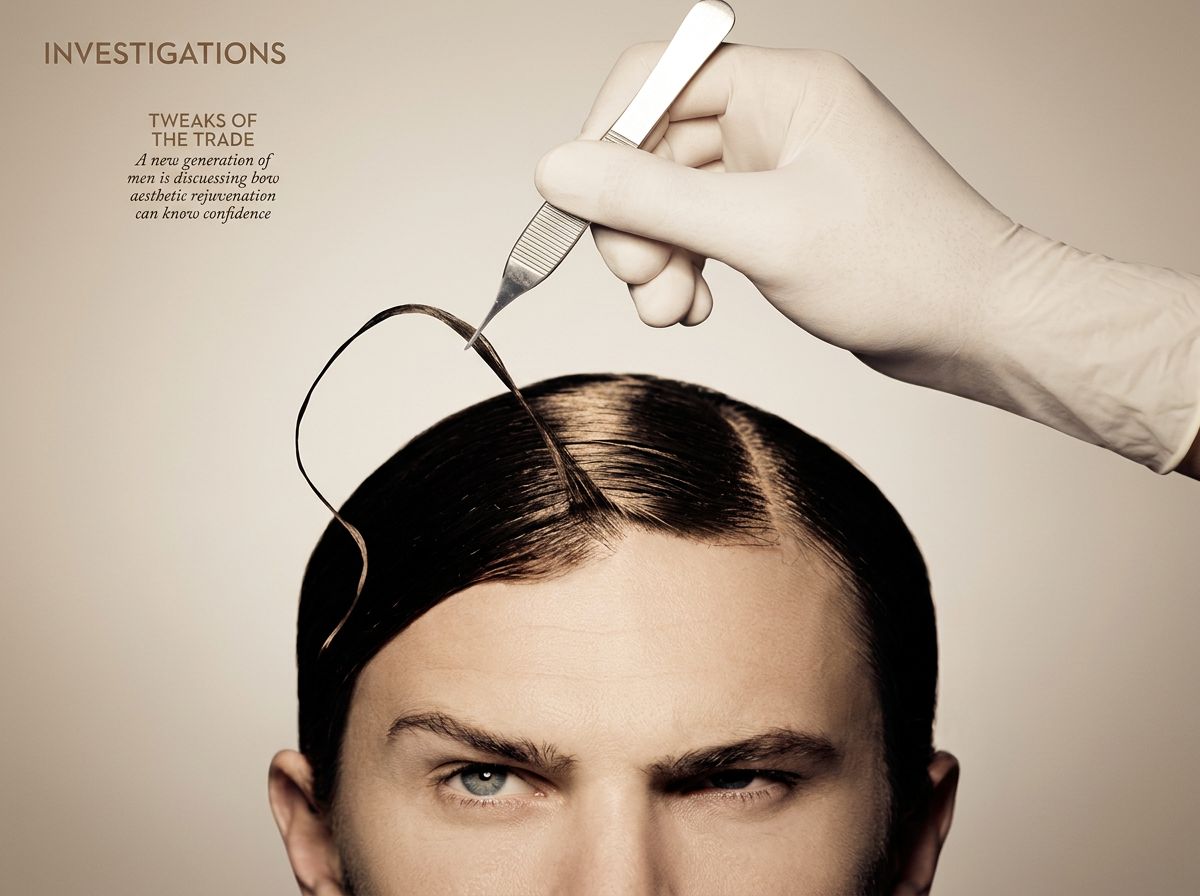
The instinct to do more in a single sitting is commercial, not clinical. When a face would benefit from several treatments, 23MD usually stages them as three smaller, sequenced interventions rather than one large session. In our experience this gives a more natural result that holds for longer, because the tissue adapts to each change before the next is made.
What is treatment stacking?
Treatment stacking is how 23MD sequences combined treatments so that each one prepares the ground for the next. It is an order, not a package. Our wider method works from the inside out: where hormones, sleep, metabolism or inflammation need attention, that conversation comes first, then structure, then surface. You can read about the full method on our treatment stacking page. This article covers the aesthetic part of that sequence.
Why not do everything in one session?
A face responds well to gradual change and poorly to a single, large one. Gradual change is read as health: people tell you that you look well. Large change is read as effort: people notice that something has been done.
There are practical reasons too. When several treatments are given at once, swelling and bruising overlap, which makes each result harder to judge. If something is not quite right, it is harder to know which treatment caused it. And the amount of correction needed is easier to judge once earlier steps have settled; it is often less than it looked at the start.
Same-day combinations are popular because they are convenient, and some simple pairings are reasonable. Our objection is to full-face transformation in a single appointment.
The 23MD stack: three stages over about three months
A typical sequence has three stages and three appointments.
- Regenerative base. We begin with treatments that aim to support skin quality, such as polynucleotides or platelet treatments prepared from your own blood (PRP is currently offered at our Dubai clinic).
- Structural correction, at around six weeks. Where there is a genuine structural deficit, we use a measured amount of filler or a biostimulating treatment. Measured means the least that restores support.
- Surface refinement, at around twelve weeks. A skin booster or resurfacing treatment refines texture and finish.
Three stages produce one coherent outcome. The timings are a guide. They are adjusted to how your skin responds and to your own diary, and some patients do not need every stage.
Why does a staged result hold longer?
Gradual interventions integrate with the tissue. Each layer is accommodated before the next is added, so the result looks biological rather than imposed, and it ages with you rather than against you.
This reasoning reflects the anatomy of ageing. Faces change in every layer, from bone and deep fat to ligaments and skin, and each layer responds to treatment differently. Addressing them in order lets each step be judged on its own.
It is worth being clear about the evidence. There are no good-quality trials directly comparing a staged plan with a single full-face session, so this approach rests on clinical experience and anatomy rather than on outcome studies. For some individual treatments the evidence is also limited: a 2024 review of polynucleotides found that most studies were small and observational and that results varied.
Who is treatment stacking for, and who is it not for?
A staged plan tends to suit patients who:
- want change that looks natural and is not obvious to others;
- have more than one concern, for example skin quality alongside some structural loss;
- can attend three appointments over roughly three months.
It is less suited to someone who needs a visible result for an event in the next few weeks. In that case we will tell you what is realistic in the time available and plan around it. It is also not the right fit for anyone set on a complete change in one visit.
What to expect at each appointment
Every plan starts with a consultation. Your doctor assesses your face, discusses your goals and medical history, and sets out the sequence, including which stages you may not need. Suitability for each treatment is confirmed by a doctor.
At each later visit we review how your skin has responded before the next step is taken, and the plan can change. Mild redness, swelling or small bruises are common for a few days after injectable treatments. Results vary between individuals and cannot be guaranteed.
What we will not do
We will not deliver full-face treatment in a single appointment. Patients who want that outcome are referred elsewhere, respectfully. This is not a judgement of anyone's choice; it reflects how we believe faces should be treated.
Speak to a doctor
If you would like to know what a staged plan might look like for you, the first step is a consultation with one of our doctors. You can also explore combinations in advance with the Treatment Stacker in 23MD Digital, then bring your questions to the consultation.
WhatsApp our London clinic · WhatsApp our Dubai clinic
Sources