Investigated at the Root
Hair Loss
Rarely just genetic. Usually a combination of hormonal context, nutritional deficiencies, follicular sensitivity, and — for many women — perimenopausal shifts.
As featured in
Featured In









Your Concerns
What Is It?
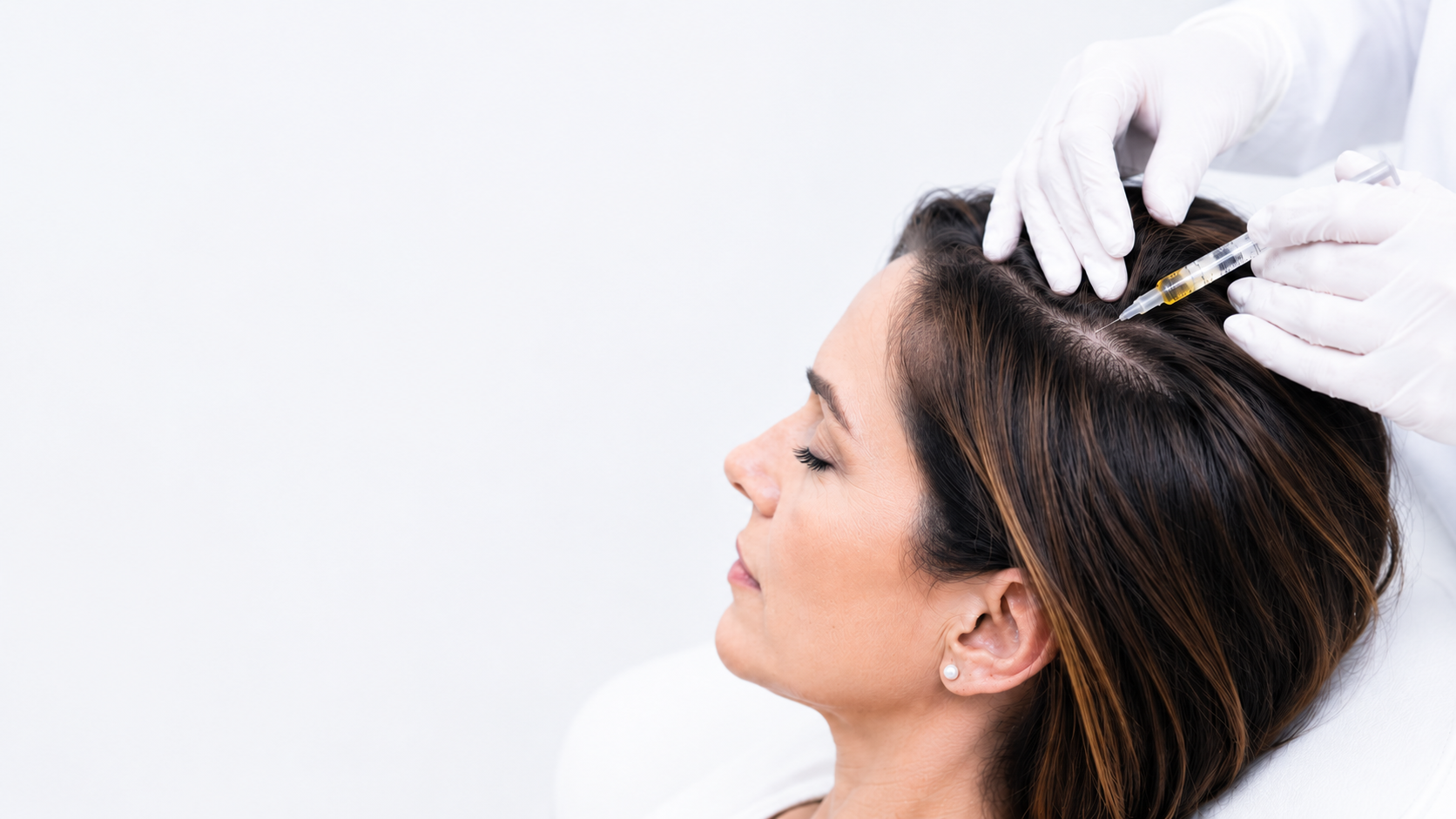
Hair loss is rarely just genetic. The cause is usually a combination of hormonal context (thyroid, sex hormones, stress hormones), nutritional deficiencies (iron, vitamin D, B12), follicular sensitivity to androgens, and — for many women — perimenopausal shifts that change how the scalp's hormonal environment behaves. At 23MD, hair loss is investigated as a clinical picture before any treatment is recommended. The consultation includes bloodwork, hormonal review, and an honest conversation about what the realistic outcome looks like.
Recommended Pathway
Treatments for Hair Loss
The treatments our doctors most often recommend for this concern. Your consultation confirms the right combination and sequence for you.
05Adjunct
Topical & Oral TreatmentsPrescribed where appropriate after consultation. For autoimmune presentations, 23MD refers to a dermatologist before any aesthetic treatment.
Unsure which pathway suits you?
Book a Consultation
23MD Digital
Not sure how different treatments fit together?
Built on our Treatment Stacking™ method: aesthetic, regenerative and longevity treatments layered and sequenced around your goals and timeline.
Common Causes
What Could Be Causing It
Hormonal
Thyroid imbalance, perimenopause, post-pregnancy shifts, post-pill stabilisation, elevated cortisol.
Nutritional
Iron deficiency, B12, vitamin D, protein — common, easily tested, easily corrected.
Androgenetic
Follicular sensitivity to DHT — a genetic and hormonal interplay.
Telogen Effluvium
Diffuse shedding triggered by illness, surgery, stress, or rapid weight loss.
Autoimmune
Alopecia areata and related conditions; these need a dermatology consultation first.
FAQs
Your Questions, Answered
Related
Continue Exploring
Medically reviewed by Dr Surbhi Virmani, DHA-licensed Senior Cosmetic & Regenerative Clinician on April 2026.