Investigated at the Root
Hair Loss
Rarely just genetic. Usually a combination of hormonal context, nutritional deficiencies, follicular sensitivity, and — for many women — perimenopausal shifts.
Your Concerns
What Is It?
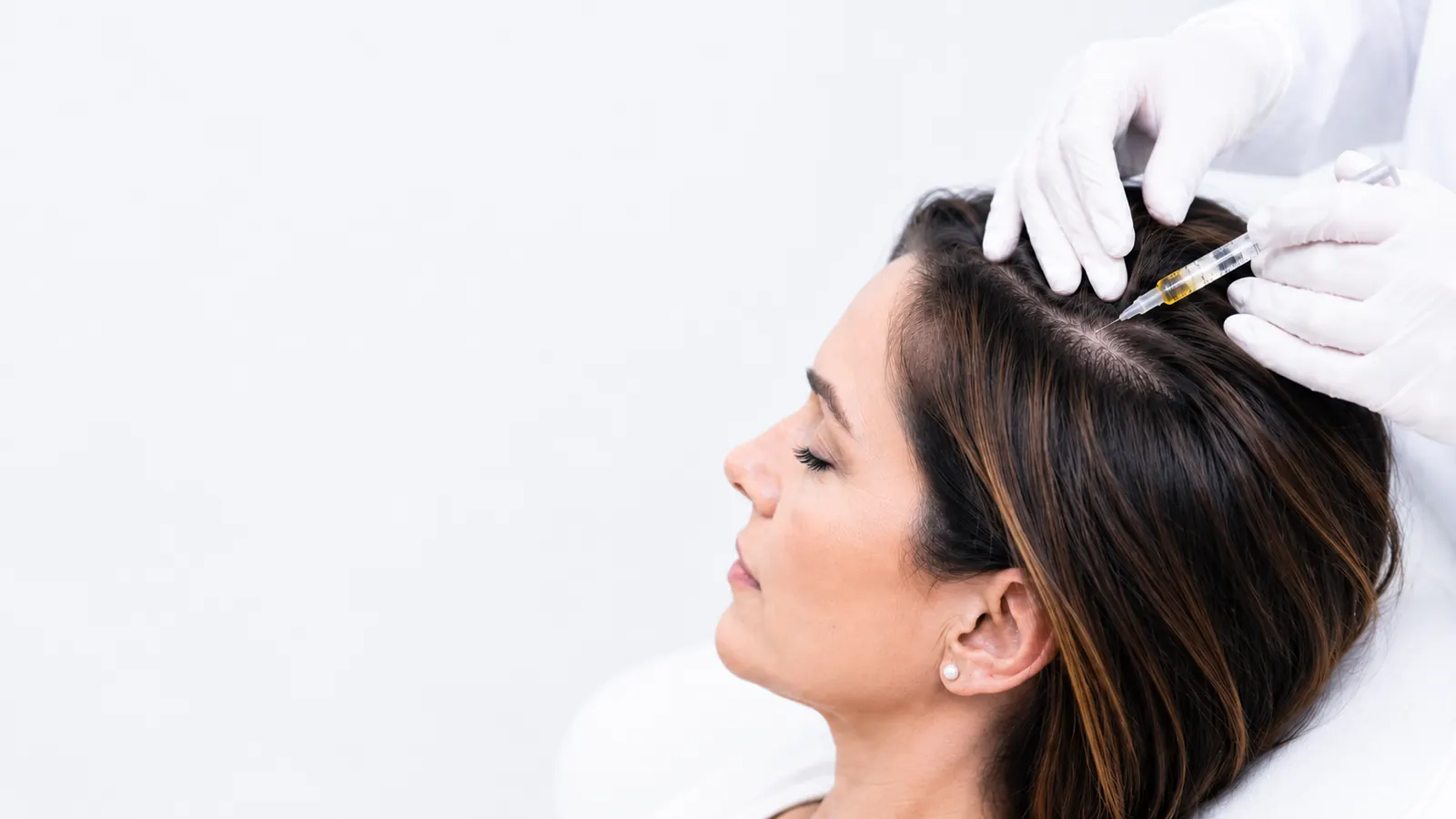
Hair loss is rarely just genetic. The cause is usually a combination of hormonal context (thyroid, sex hormones, stress hormones), nutritional deficiencies (iron, vitamin D, B12), follicular sensitivity to androgens, and — for many women — perimenopausal shifts that change how the scalp's hormonal environment behaves. At 23MD, hair loss is investigated as a clinical picture before any treatment is recommended. The consultation includes bloodwork, hormonal review, and an honest conversation about what the realistic outcome looks like.
Recommended Pathway
Treatments for Hair Loss
The treatments our doctors most often recommend for this concern. Your consultation confirms the right combination and sequence for you.
03Hormones
Bio/bodyidentical Hormone TherapyRelevant where hormonal context is the underlying driver.
04Adjunct
Topical & Oral TreatmentsPrescribed where appropriate after consultation. For autoimmune presentations, 23MD refers to a dermatologist before any aesthetic treatment.
Unsure which pathway suits you?
Not sure which treatment is right for you?
23MD DigitalSkin Expert
Upload a photo and receive a personalised skin assessment with treatment recommendations from our doctor-led protocols.
Analyse My SkinCommon Causes
What Could Be Causing It
Hormonal
Thyroid imbalance, perimenopause, post-pregnancy shifts, post-pill stabilisation, elevated cortisol.
Nutritional
Iron deficiency, B12, vitamin D, protein — common, easily tested, easily corrected.
Androgenetic
Follicular sensitivity to DHT — a genetic and hormonal interplay.
Telogen Effluvium
Diffuse shedding triggered by illness, surgery, stress, or rapid weight loss.
Autoimmune
Alopecia areata and related conditions; these need a dermatology consultation first.
FAQs
Your Questions, Answered
Often, but not always. Nutritional deficiencies, autoimmune conditions, stress, and genetic factors can all play a role. The 23MD consultation begins with bloodwork and a hormonal review precisely because the answer is rarely one cause.
Follicles cycle slowly. Most treatments — whether scalp-based, topical, or hormonal — need 3–6 months before meaningful change is visible. Honest expectation-setting is part of the consultation.
The earlier you intervene, the more responsive the follicles tend to be. Long-standing miniaturisation is harder to reverse. The consultation will be honest with you about the realistic outcome — that's part of how 23MD practises.
The pattern is usually different (diffuse thinning in women, frontotemporal recession in men) and the hormonal context differs. The clinical investigation differs too — which is why the consultations and protocols are not the same.
If the loss looks patchy, sudden, or accompanies scalp inflammation, scarring, or other skin changes — yes. At 23MD, dermatological assessment comes first; GP referral to a dermatologist is the right path before any aesthetic intervention.
Related
Continue Exploring
Medically reviewed by Dr Suha Kersh, MB BCh BAO LRCP&SI, MRCPsych, GMC-registered since 1992.