01Skincare
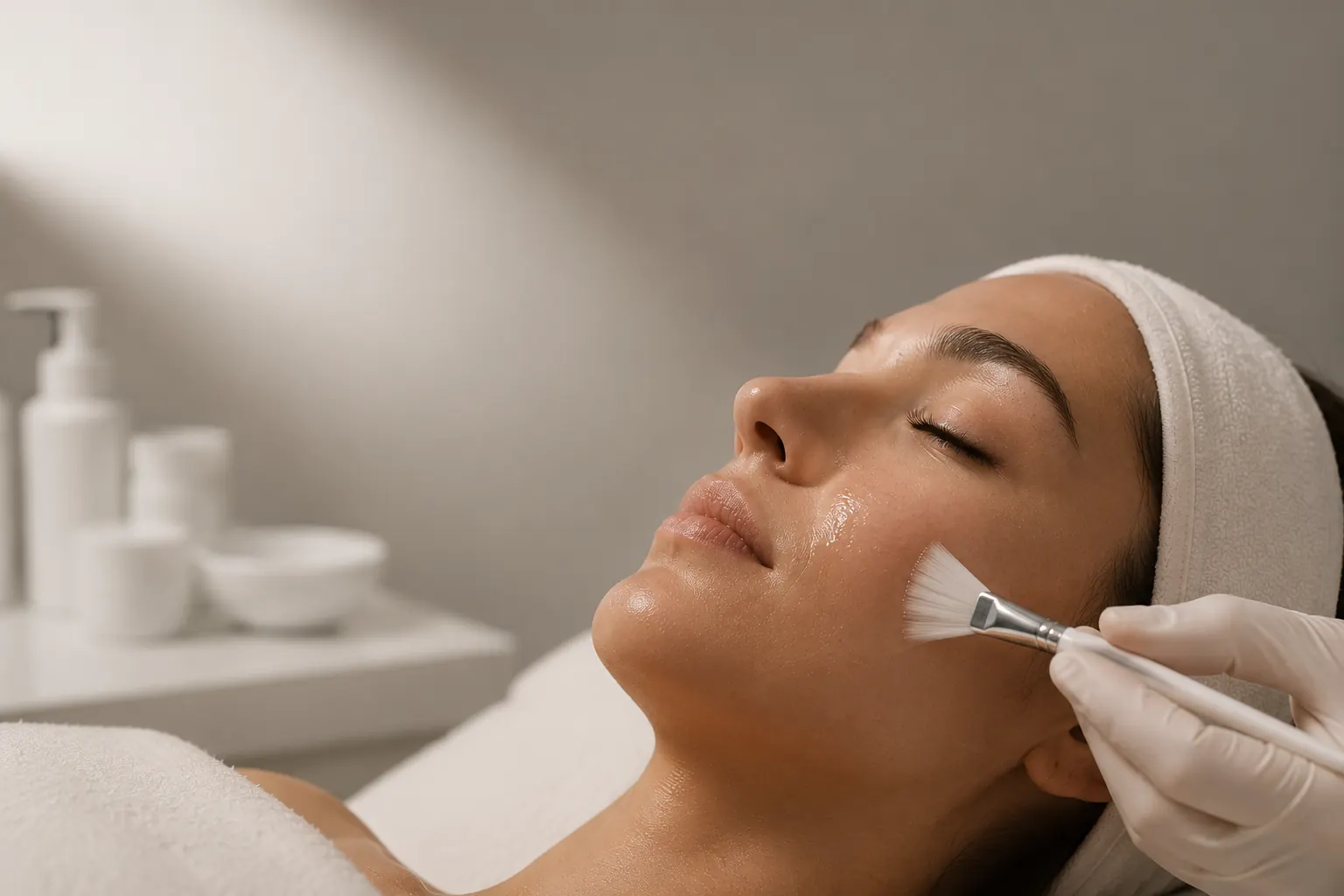
Medical-Grade SkincareFirst-line for most pigmentation. Specific products are discussed in consultation, not advertised — UK and UAE advertising rules apply.


A category, not a diagnosis. Sun damage, post-inflammatory pigmentation, melasma, and lentigines respond to different treatments.
Your Concerns
Pigmentation is a category, not a diagnosis. Sun damage, post-inflammatory hyperpigmentation, melasma, and age-related lentigines all present as dark patches but have different causes — and respond to different treatments. Using the wrong treatment on the wrong type often makes the picture worse, particularly for skin of colour. At 23MD, pigmentation is classified clinically before any treatment is recommended. In Dubai, our clinical team leads this work; melasma in particular needs careful clinical judgement to avoid rebound — see the dedicated melasma page.
Recommended Pathway
The treatments our doctors most often recommend for this concern. Your consultation confirms the right combination and sequence for you.
First-line for most pigmentation. Specific products are discussed in consultation, not advertised — UK and UAE advertising rules apply.

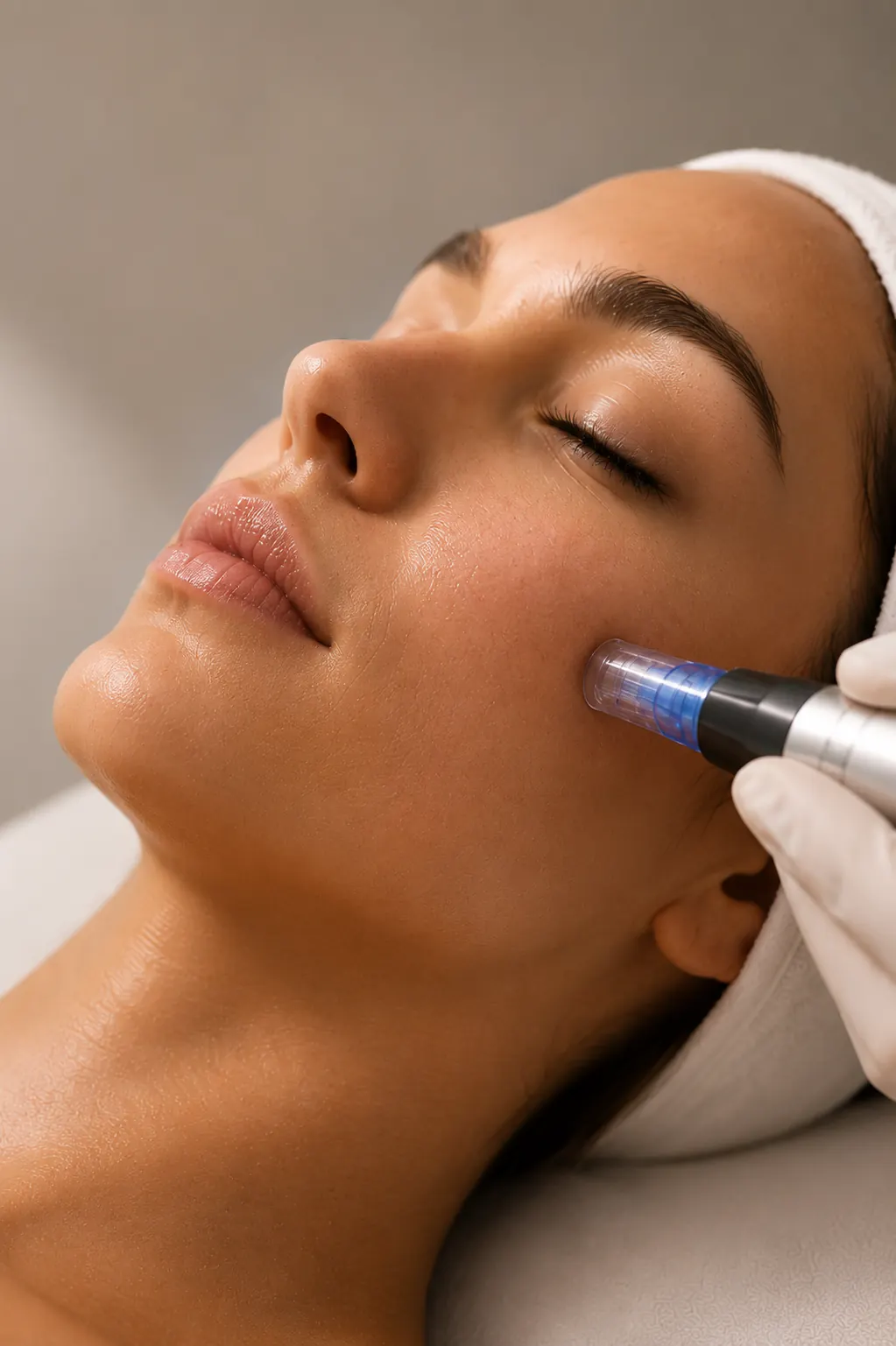
Used carefully and only after assessment; not all pigmentation responds, and some types can worsen with the wrong device. For skin of colour, our Dubai clinical team leads this work.
Unsure which pathway suits you?
Not sure which treatment is right for you?
23MD DigitalUpload a photo and receive a personalised skin assessment with treatment recommendations from our doctor-led protocols.
Analyse My SkinCommon Causes
By far the most common driver in both regions.
After acne, eczema, or trauma; common in skin of colour.
Melasma — see the dedicated melasma page for the conservative approach this needs.
Solar lentigines and uneven tone accumulating across decades.
Certain medications can produce or worsen pigmentation; reviewed at consultation.
FAQs
The most common drivers are UV exposure, post-inflammatory response after acne or trauma, hormonal triggers (melasma), and accumulated photoageing. Each behaves differently and responds to different treatments.
Yes. Melasma is hormonally driven, particularly responsive to UV, and tends to recur even after treatment. It needs a separate, more cautious approach. See the dedicated melasma page.
Often, yes — especially if UV protection is inconsistent. Sustained sun protection is the foundation; treatment without it is incomplete.
UV is the primary trigger for most pigmentation and the main reason treated pigmentation recurs. Daily broad-spectrum SPF is non-negotiable in any pigmentation plan.
Some devices are safer than others, and treatment depth and settings matter. In Dubai, our clinical team leads pigmentation treatment for skin of colour; in London, the consultation will discuss whether energy-based treatment is appropriate or whether a more conservative path is safer.
Medically reviewed by Dr Suha Kersh, MB BCh BAO LRCP&SI, MRCPsych, GMC-registered since 1992.
Verified feedback from 23MD patients, collected after their appointments through our clinic system and published with permission.
“I have been seeing Dr Kersh and her colleagues at 23MD for many years. They listen very carefully to my concerns and always come up with a truly bespoke solution.”
Kate R. · London · October 2026
“I saw Dr Kersh at her clinic in Chelsea and found her care and attention to my needs extremely impressive. I would highly recommend seeing her.”
Jim C. · London · March 2026
“I am writing this review after being her patient for almost five years. I have realised how unique Dr Kersh is.”
Claudia U. · London · November 2023
“The clinic is absolutely spotless and pristine. Dr Galy was very patient, professional, and made sure that I knew exactly what I was getting into and felt comfortable the entire time.”
Robert · London · January 2019
“Incredible and thorough testing, clear explanations and wonderful online or in person assessments”
Kim · London
Dr Martin Galy
“After ten years with Dr Galy we continue to be extremely happy with his care and the service offered”
Shaunagh · London
Dr Martin Galy
“The usual amazing experience and treatment from Dr Kersh and her team. A huge thank you.”
Regina · London
Dr Suha Kersh
“I am a happy, existing client from London and am pleased to find Dr Galy and Dr Kersh in Dubai, it allows me to have seamless service between the two cities”
Zainab · Dubai
“Dr. Galy was very professional and listened to all my concerns. He explained everything so that I could understand. I felt confident in his treatment plan.”
Sarah · Dubai
Dr Martin Galy
“I have been seeing Dr Martin Galy for roughly 15 years and he is fantastic. I highly recommend his services.”
Reva · London
Dr Martin Galy
“Beautiful clinic, gives out relaxing vibes. Very nice encounter with Dr Kersh”
Zeina · Dubai
Dr Suha Kersh
“I experienced 23 MD as a highly efficient, professional and caring service, thank you!”
Emma · London
Dr Martin Galy