
Restored, Not Replaced
Skin Laxity
Sagging is the visible result of three things changing at once. Treating it well means addressing all three layers, in the right sequence.
Your Concerns
What Is It?
Skin laxity — what most people call sagging — is the visible result of three things changing at once: dermal collagen and elastin breaking down faster than the skin can rebuild them, fat compartments in the face shifting downward, and ligamentous support of the deep tissue loosening with age. Treating laxity well means addressing all three layers, in the right sequence. At 23MD, the 4D Approach reads which layer is driving the picture; Dermal Architecture restores it.
Recommended Pathway
Treatments for Skin Laxity
The treatments our doctors most often recommend for this concern. Your consultation confirms the right combination and sequence for you.
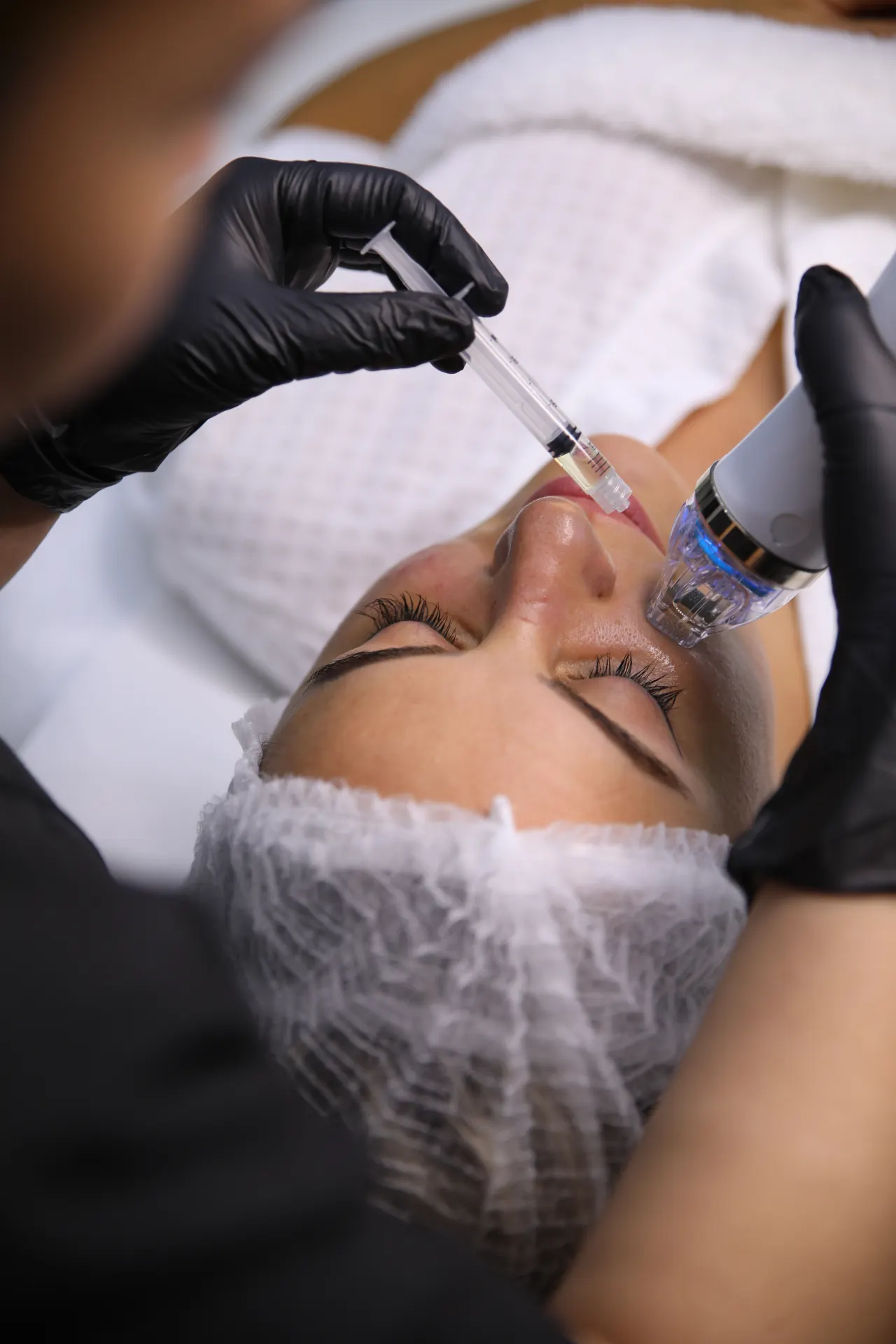
02RF Microneedling · London
Secret RF MicroneedlingFractional radiofrequency microneedling that targets the dermis and subdermis for firmness and texture.

03Regenerative
PolynucleotidesRegenerative support for tissue quality, often used alongside energy-based treatments.
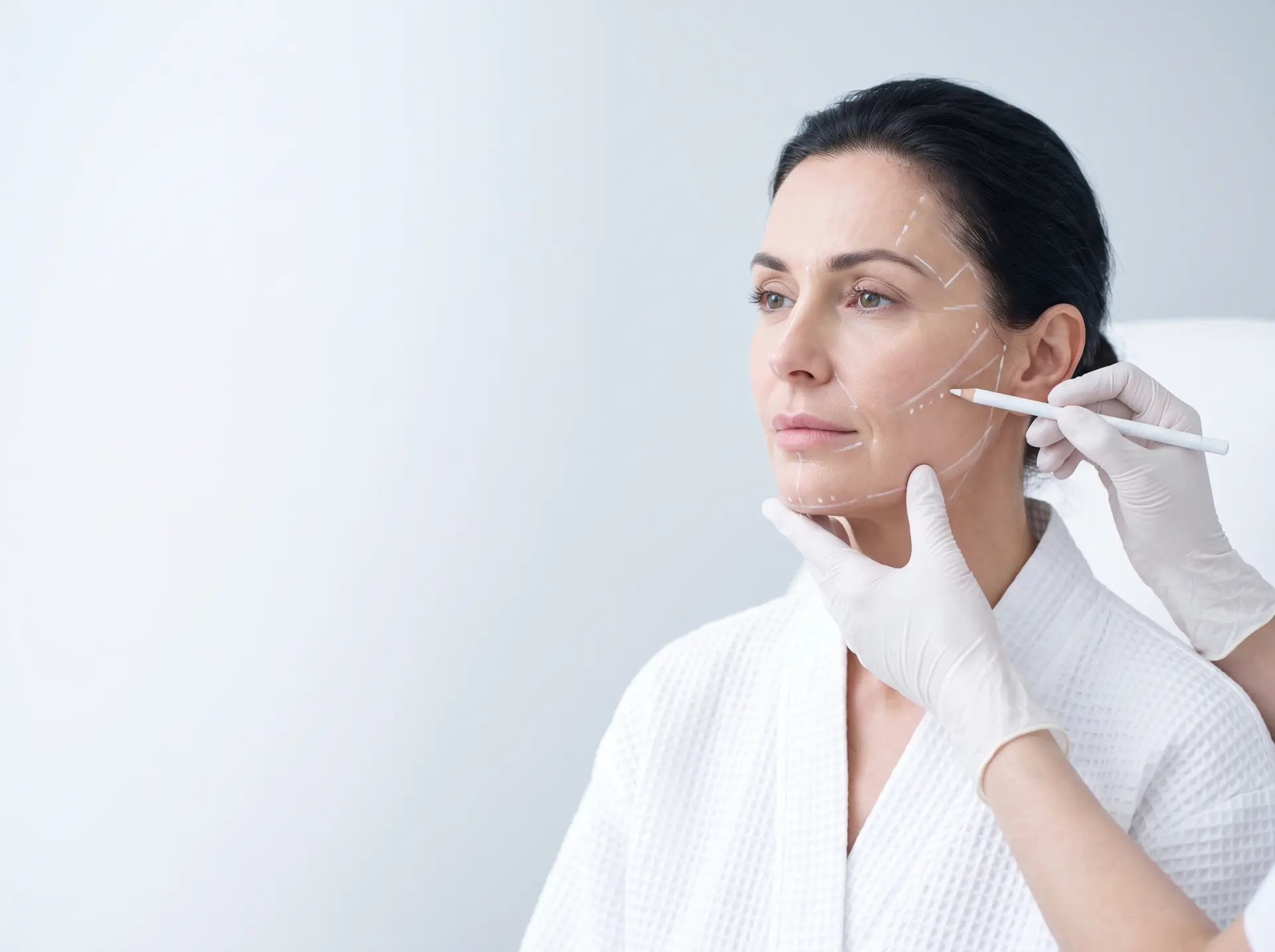
04Injectable
Dermal FillersPlaced under the Dermal Architecture method for foundational structural restoration where appropriate.
Unsure which pathway suits you?
Not sure which treatment is right for you?
23MD DigitalSkin Expert
Upload a photo and receive a personalised skin assessment with treatment recommendations from our doctor-led protocols.
Analyse My SkinCommon Causes
What Could Be Causing It
Collagen & Elastin Loss
Accelerates after 40; further accelerated by sun exposure and oxidative stress.
Fat-Pad Migration
Facial fat compartments that gave youthful contour shift downward over time.
Ligamentous Laxity
The supporting structures of the deep face loosen, allowing tissue to descend.
Weight Changes
Recent significant weight loss can unmask laxity that wasn't visible before.
Hormonal Context
Oestrogen decline accelerates dermal thinning; relevant to perimenopausal and post-menopausal patients.
FAQs
Your Questions, Answered
Three things change at once: dermal collagen breaks down faster than it rebuilds, the fat compartments that gave youthful contour shift downward, and the ligaments supporting deep tissue loosen. The dominant driver varies per patient — which is why the 4D Approach matters.
It depends on the degree. Mild to moderate laxity often responds well to energy-based treatments and regenerative injectables. Significant laxity may need surgical referral — 23MD does not perform surgery in-house, but works with partner surgeons we trust when surgery is genuinely the right answer.
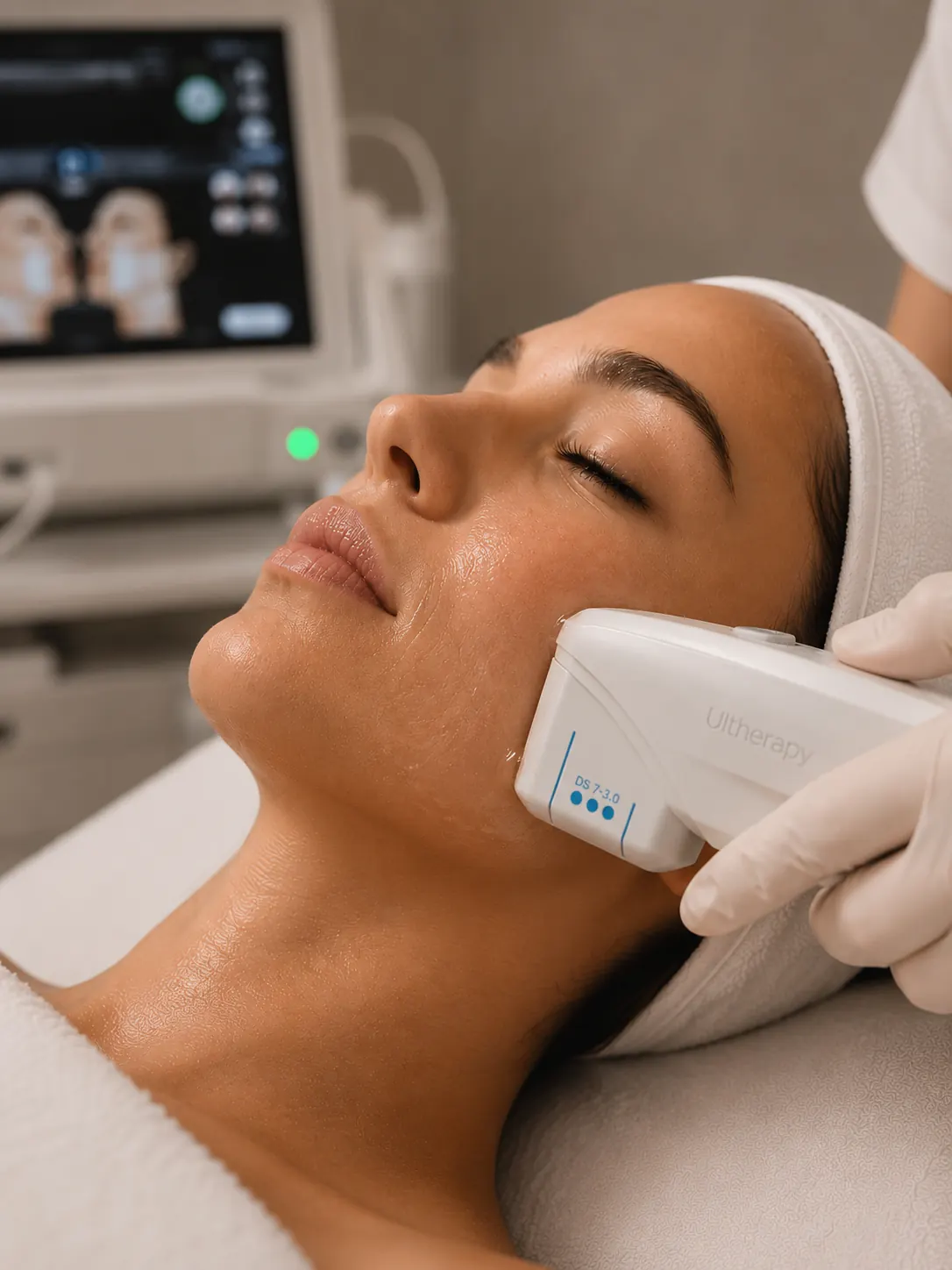
Ultherapy targets deeper layers with microfocused ultrasound; Morpheus8 works through the dermis and subdermis with radiofrequency microneedling. Both are available at the London clinic. Which is right depends on which layer is driving the picture — a consultation answers this.
Energy-based treatments stimulate collagen and tissue remodelling; the effect develops over 3–6 months and is sustained for 1–2 years on average. Individual timelines vary based on age, skin quality, lifestyle, and whether the treatment is part of a broader plan.
Often, yes. Treatment Stacking — combining complementary treatments across system, structure, and surface — is one of the four components of the 23MD Method. It produces more precise and longer-lasting results than any single treatment in isolation.
Related
Continue Exploring
Medically reviewed by Dr Suha Kersh, MB BCh BAO LRCP&SI, MRCPsych, GMC-registered since 1992.