Several Changes at Once
Jowls & Jawline
A softer jawline is usually several changes at once.
Your Concerns
What Is It?
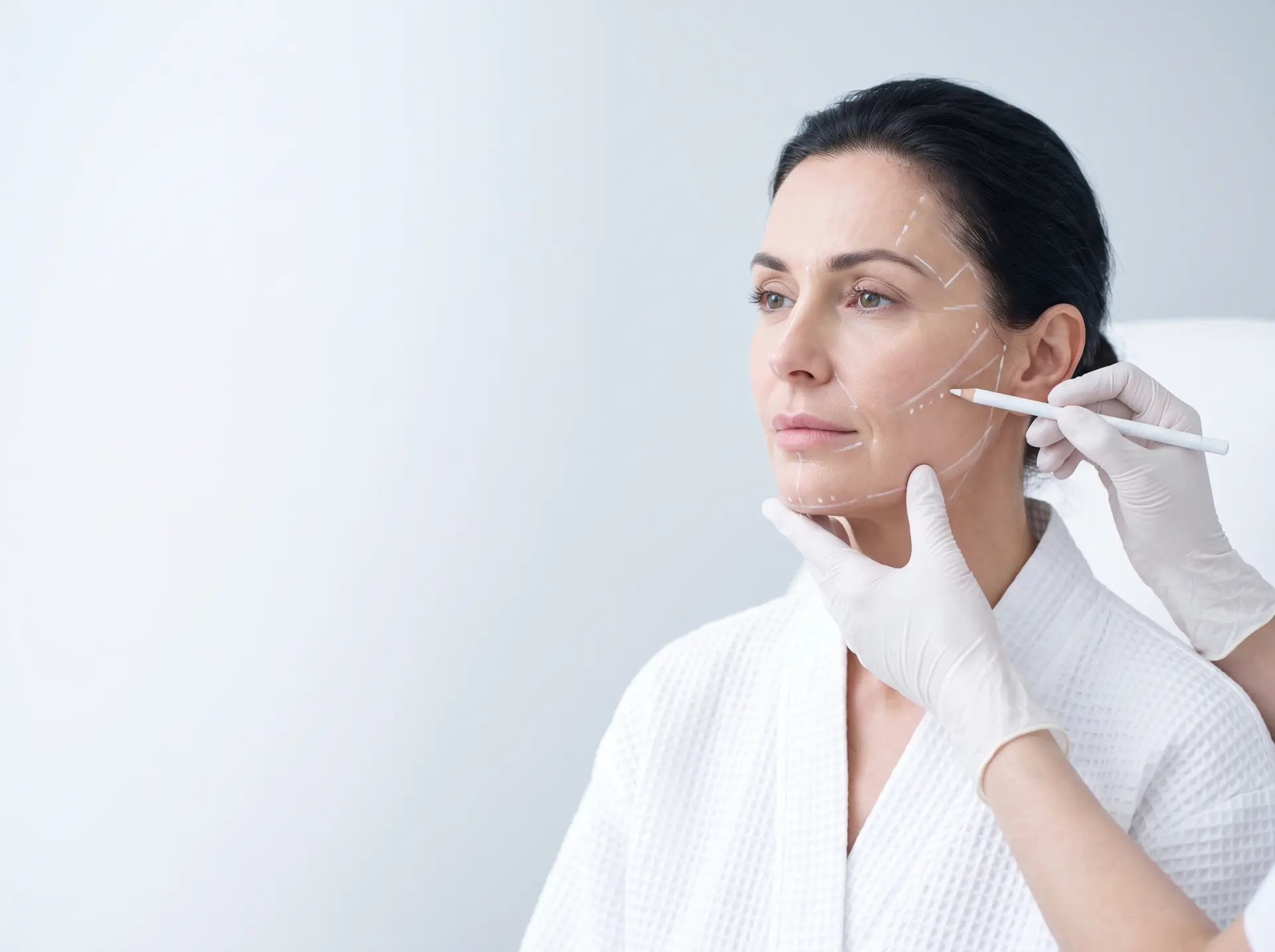
Jowls form when the lower face loses support. Volume higher up in the cheeks reduces, the skin loosens, the jawbone itself changes shape, and tissue settles along the jaw. Because several things change together, a single treatment rarely solves it. At 23MD, a doctor looks at structure, skin laxity and the area under the chin, then builds a plan that may combine support, skin tightening and skin-quality treatment, or recommends no treatment where that is the honest answer.
Recommended Pathway
Treatments for Jowls & Jawline
The treatments our doctors most often recommend for this concern. Your consultation confirms the right combination and sequence for you.
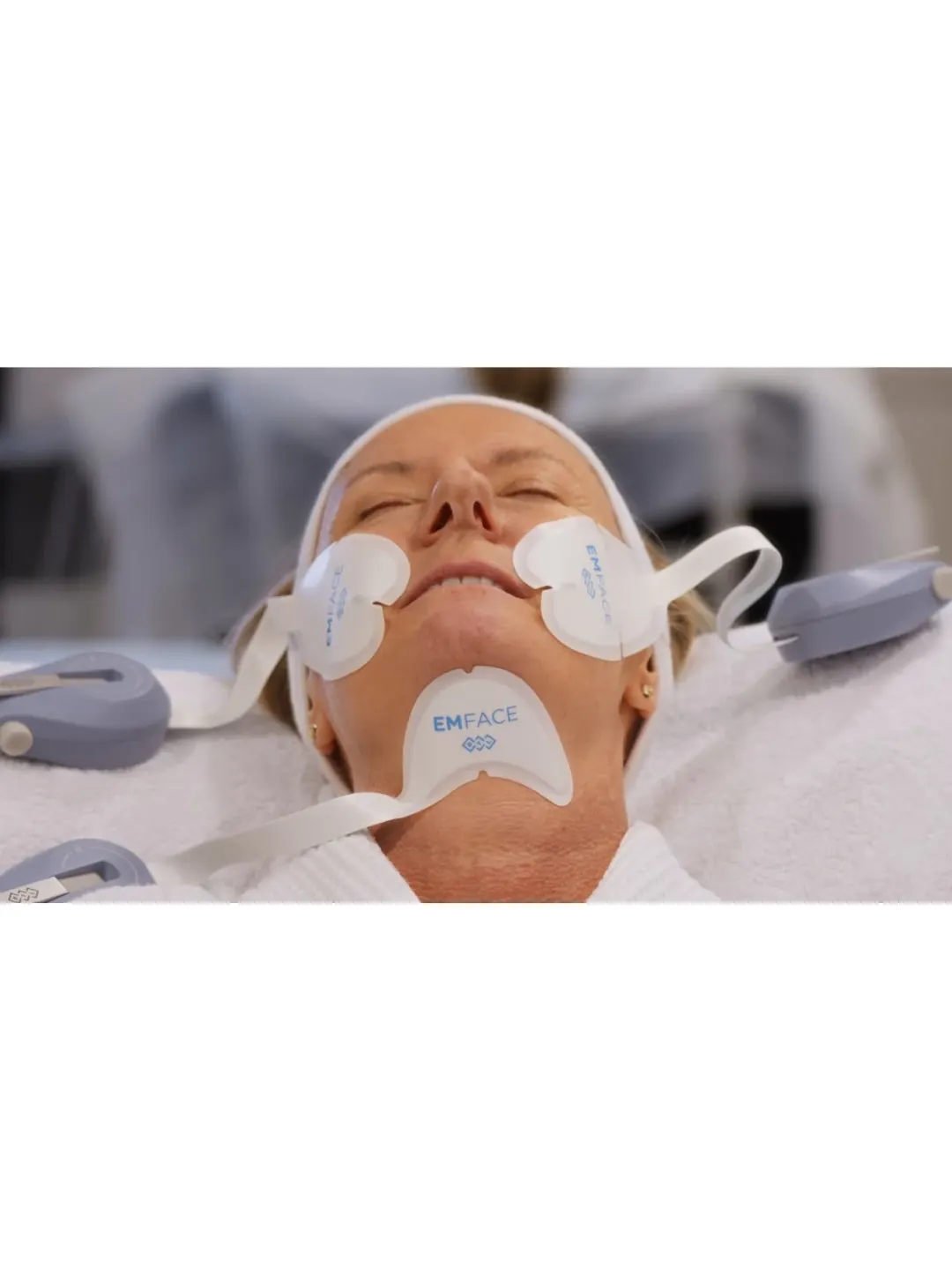
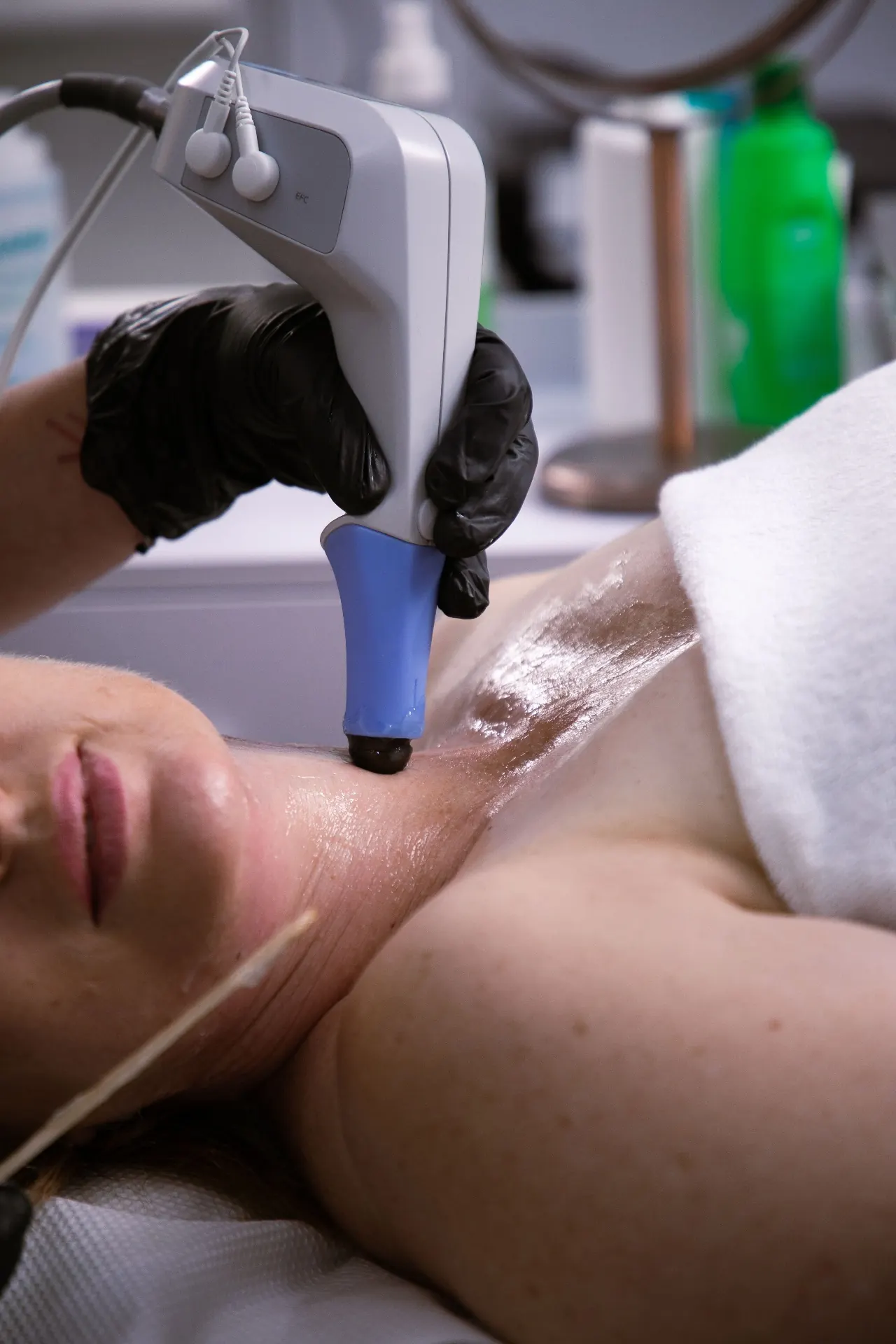
Unsure which pathway suits you?
Not sure which treatment is right for you?
23MD DigitalSkin Analyser
Upload a photo and receive a personalised skin assessment with treatment recommendations from our doctor-led protocols.
Analyse My SkinCommon Causes
What Could Be Causing It
Loss of Mid-Face Support
When the cheeks lose volume, tissue moves downwards towards the jaw.
Skin Laxity
Less collagen and elastin means the skin no longer holds its shape as firmly.
Jawbone Changes
The jaw gradually loses definition with age, softening the line.
Fullness Under the Chin
Can blur the boundary between face and neck.
Weight Change
Both gain and loss can change the jawline.
Genetics
Some people inherit an earlier tendency to jowls.
FAQs
Your Questions, Answered
Often, yes, especially when they are mild to moderate. Non-surgical treatment works by restoring support and tightening skin. Where surgery would give a better result, your doctor will tell you and can refer you to our surgical partner; 23MD does not perform surgery.
Frequently the cheeks. Restoring support higher up can reduce jowling lower down. The consultation looks at the whole face before choosing where to treat.
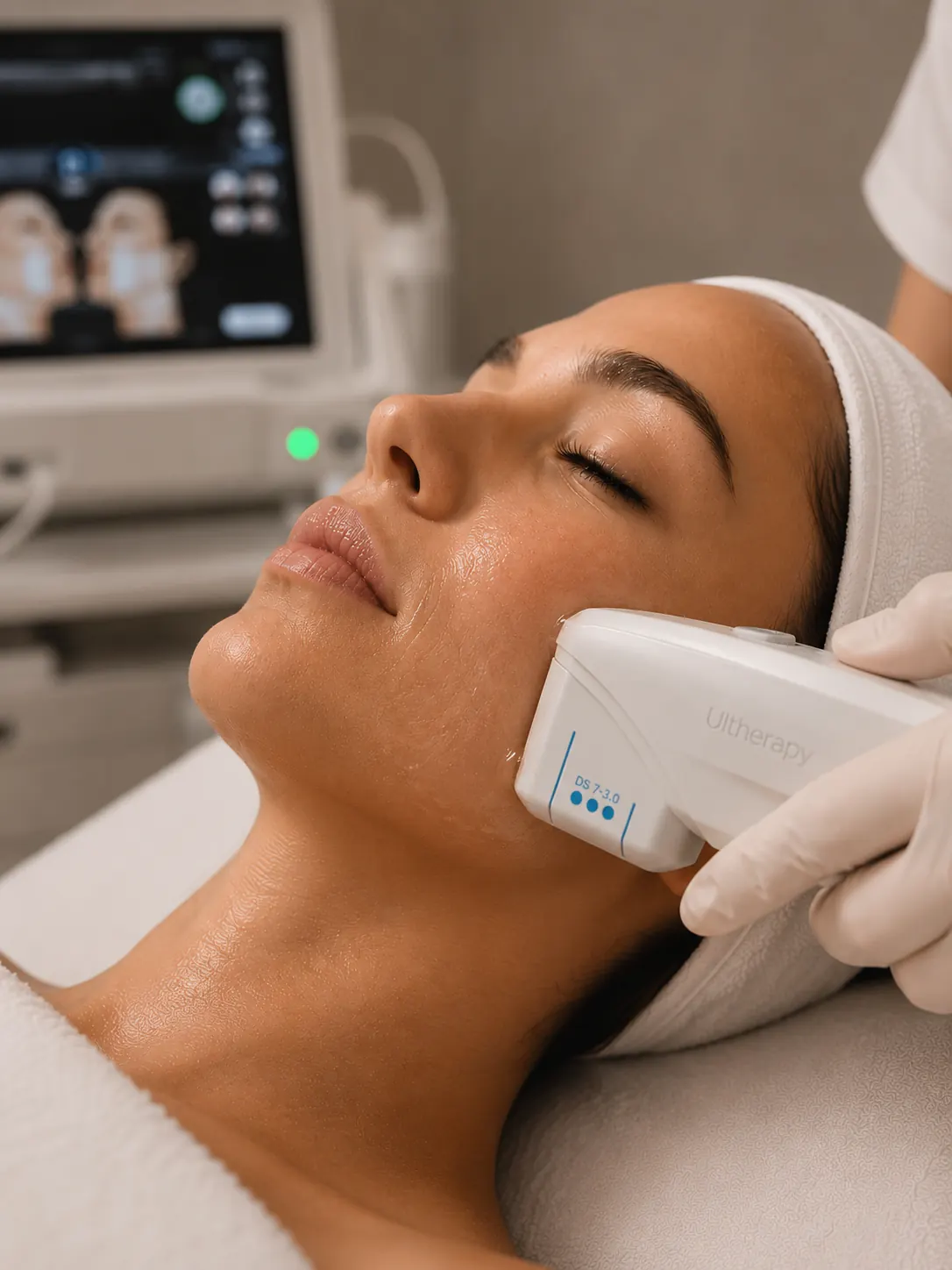
Fillers restore structure and support. Ultherapy, available in London, tightens the deeper layers of the skin. Many patients benefit from one, some from both, and your doctor will explain why.
Fillers show their effect straight away and settle over a few weeks. Skin-tightening treatments work gradually over a few months as the skin responds.
Medically reviewed by Dr Suha Kersh, MB BCh BAO LRCP&SI, MRCPsych, GMC-registered since 1992.